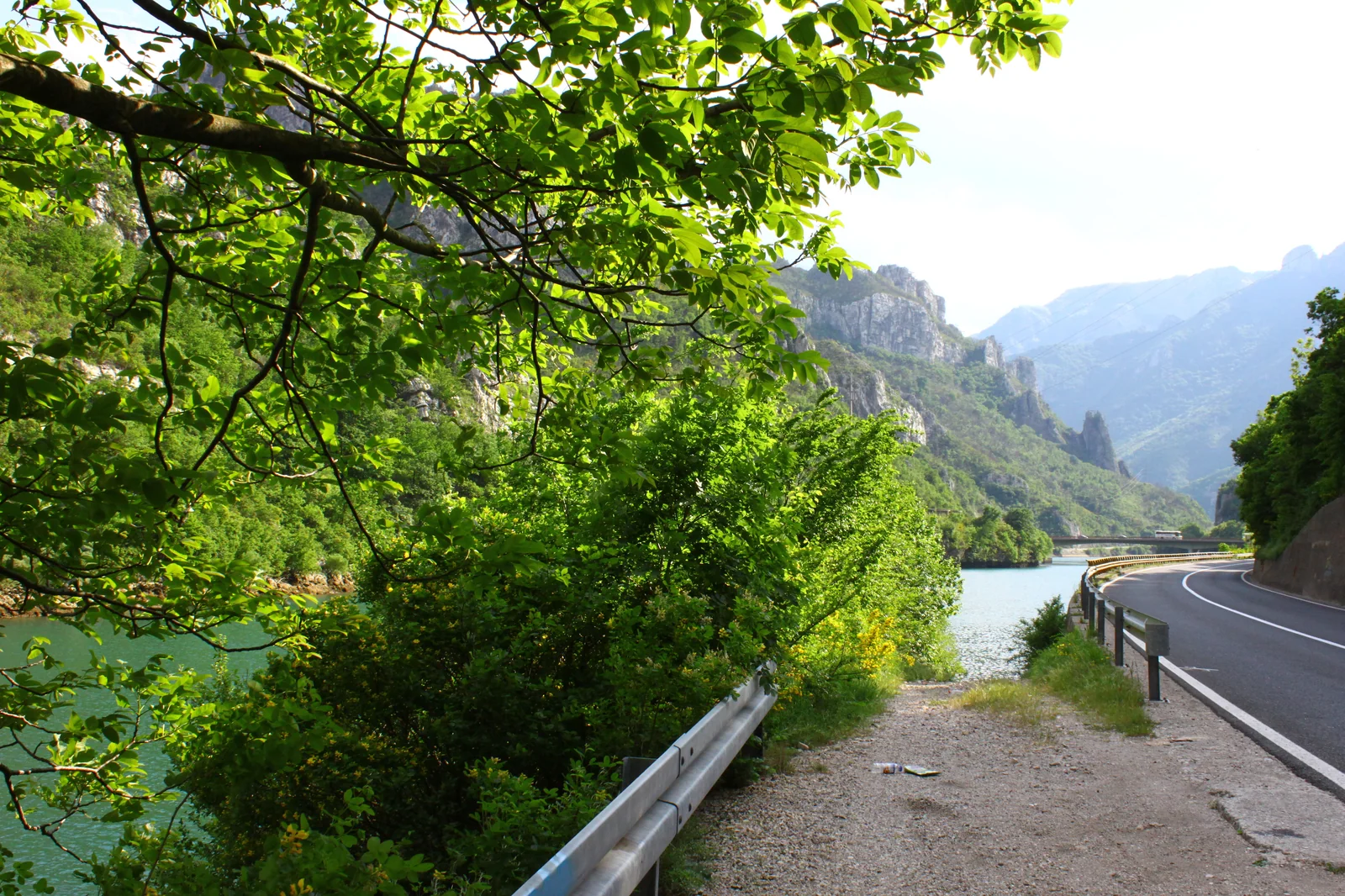
Bosnia and Herzegovina is the kind of country where the right travel month matters more than in most European destinations. The country has two completely different climate zones: the Dinaric Alps in central and northern Bosnia (Sarajevo, Jajce, Tuzla) with continental weather, and the Mediterranean-influenced Herzegovina south (Mostar, Trebinje, the coast at Neum) with hot dry summers and mild winters. What's pleasant in one region can be brutal in the other — a 35°C July day in Mostar is a 22°C day in Sarajevo.
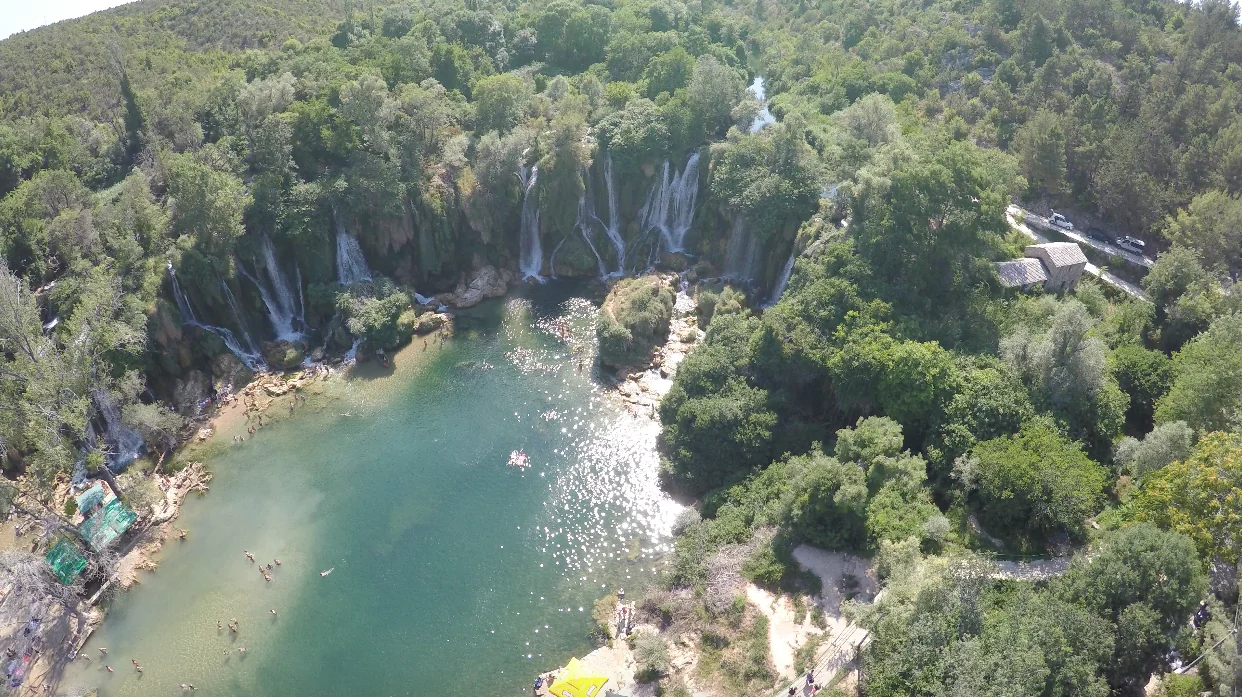
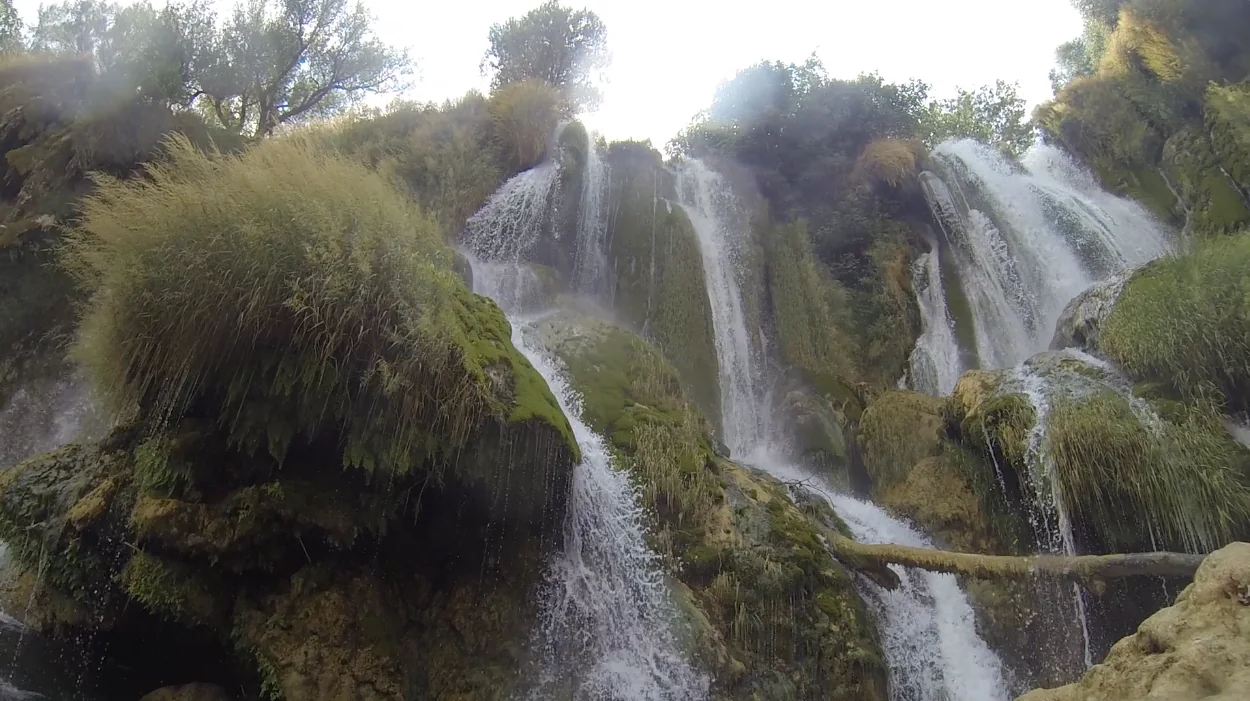
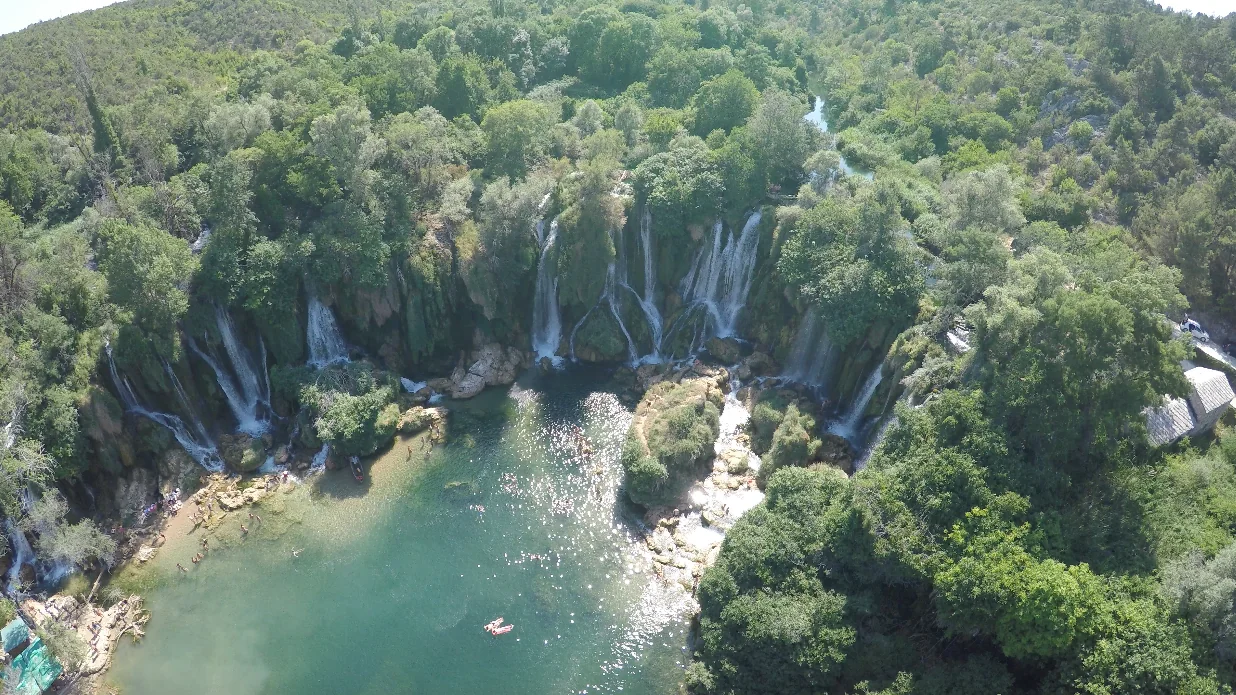
May to early June — our top recommendation. Temperatures are 18–25°C in Herzegovina, 15–22°C in central Bosnia. Wildflowers are out, rivers are full from spring melt, and waterfalls (Kravica, Jajce, Pliva) are at peak flow. Crowds are 40% lower than July–August. Prices for accommodation are noticeably lower than peak. Swimming at Kravica is possible but water is cold (14–16°C). Best month for photography and hiking.
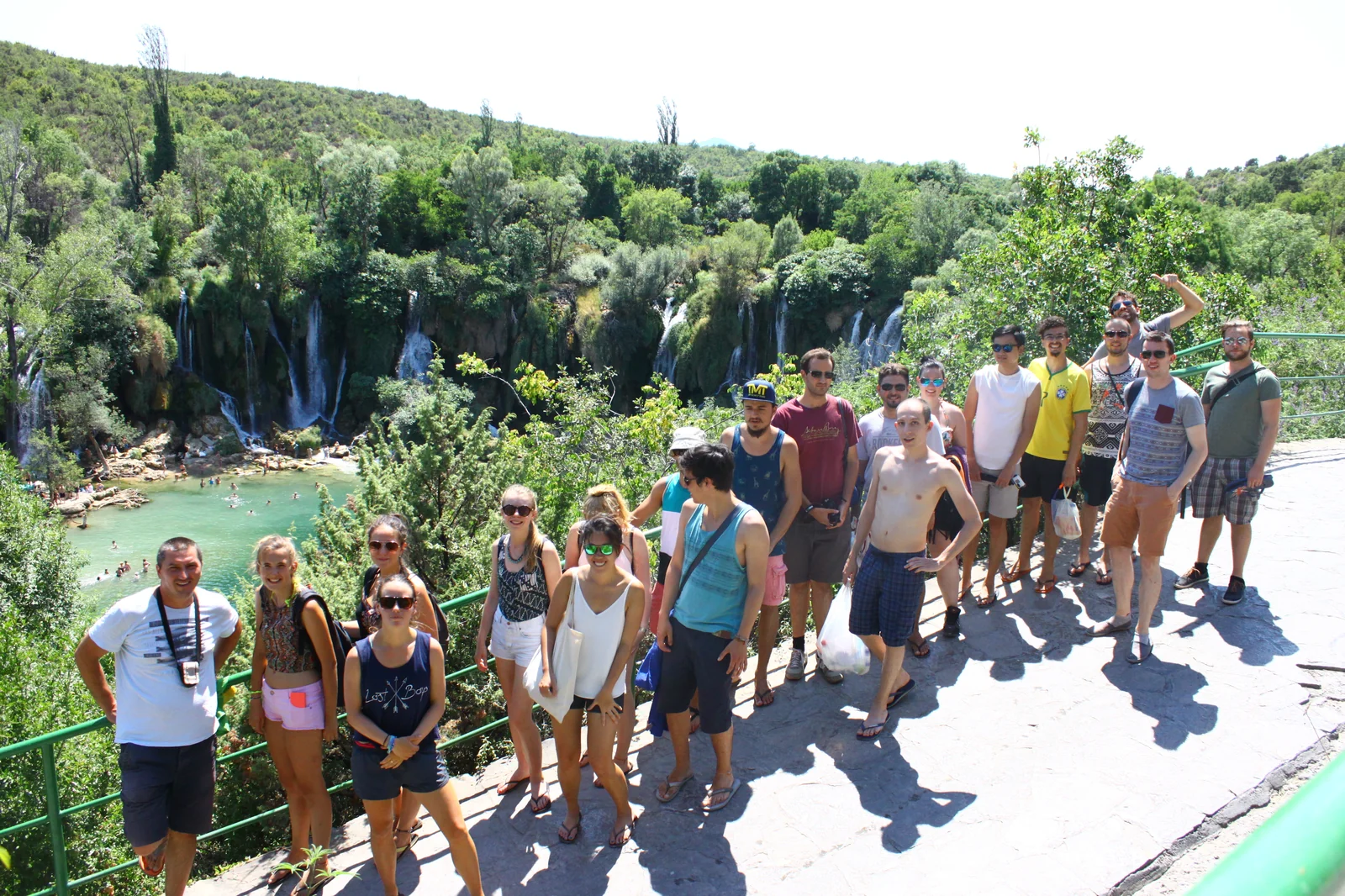
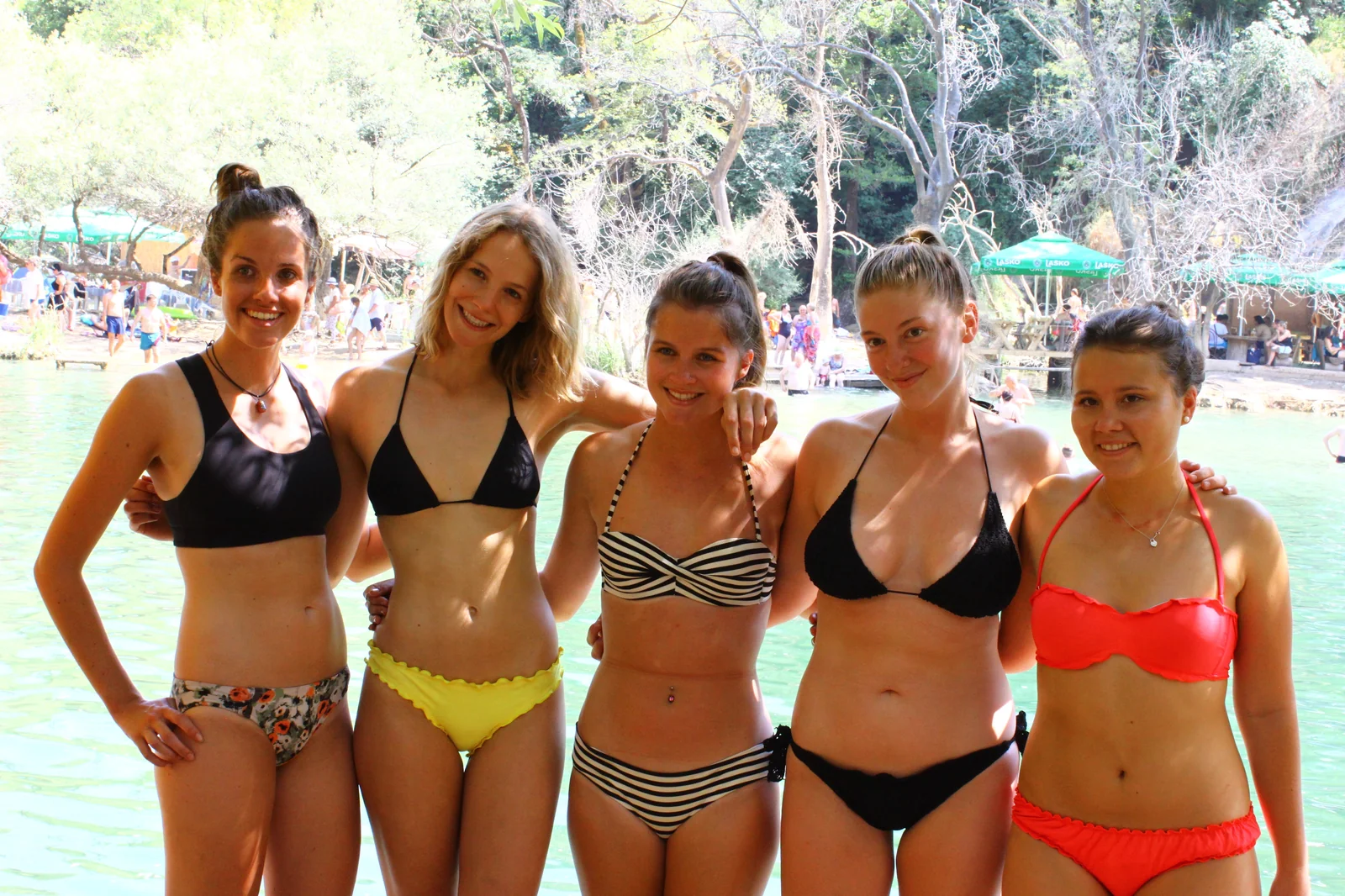
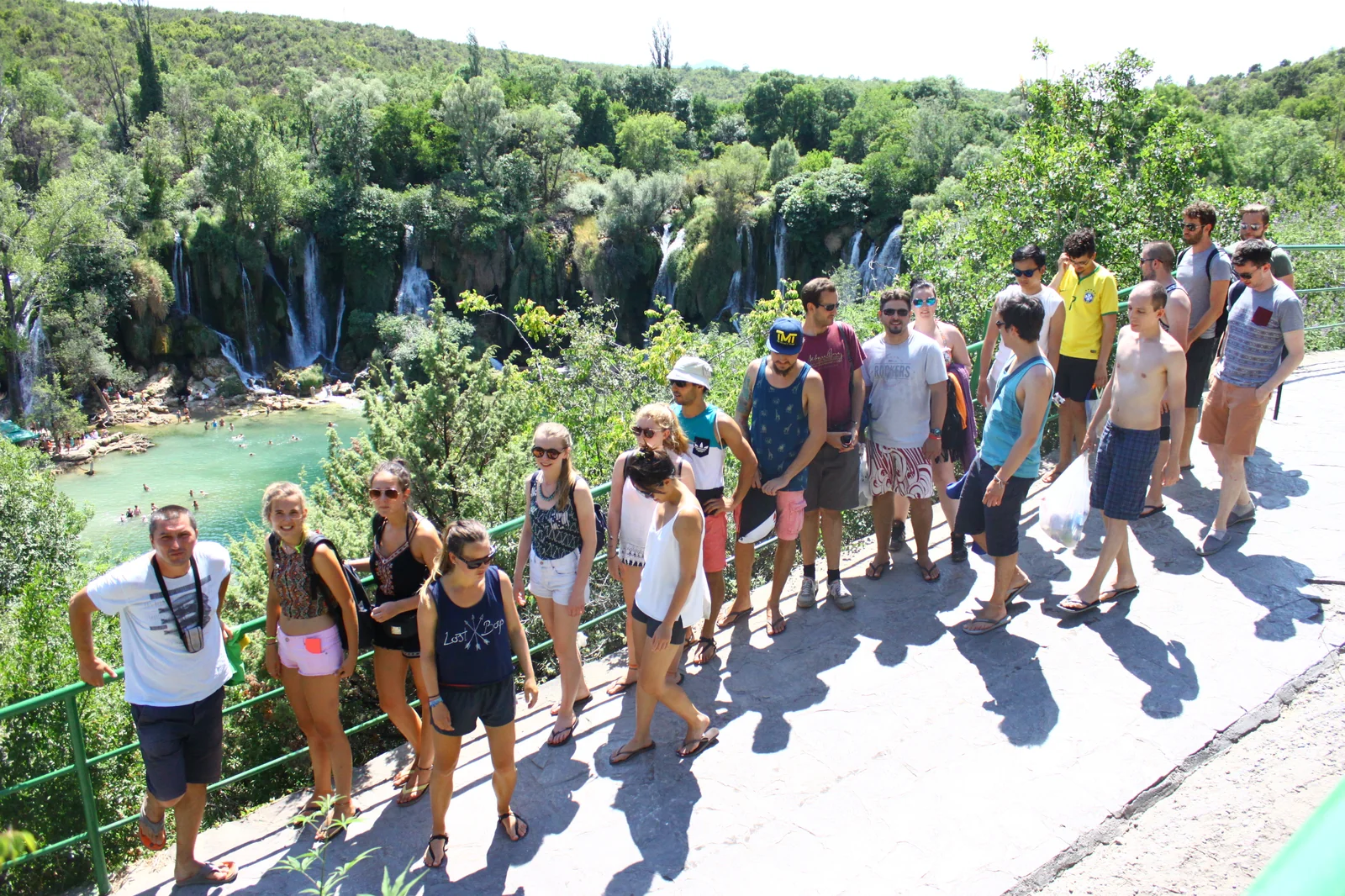
Late June to August — peak season. Temperatures push 30–38°C in Herzegovina, 22–30°C in Sarajevo. Kravica swimming is at its best (water 18–20°C). This is when tour buses multiply and restaurants in Mostar old town need reservations. Expect highest prices on accommodation, full airports, and border-crossing delays on the Dubrovnik corridor. Still our busiest tour booking window — so the season that works for most travellers, just not the most comfortable.
September to mid-October — the other sweet spot. Water temperatures at Kravica are still swimmable (16–18°C), crowds drop dramatically after the first week of September, and Herzegovina's autumn colours (pomegranates ripening, vineyards turning red) are photogenic. Weather is stable 20–28°C in Herzegovina; Sarajevo starts to cool below 18°C. Our recommendation for travellers with flexibility.
Late October to March — low season. Sarajevo becomes a proper winter destination with snow on the surrounding mountains, ski resorts (Bjelašnica, Jahorina) opening in December, and a dense Ottoman-historical old town that looks beautiful under snow. Herzegovina gets rain and mild temperatures (8–15°C); Kravica is still worth visiting for viewing (not swimming) — the falls are dramatic after autumn rain. Tourist volume drops 70% from summer peak. Hotels are roughly half-price; restaurants are local-local (no tourist menu pressure).
Mostar specifics: shoulder months (April, May, September, October) beat peak summer for most travellers. The old town becomes uncomfortably crowded mid-July through late August. Mornings before 10:00 or evenings after 17:00 are the quietest windows in peak season.
Sarajevo specifics: unique among European capitals in being a genuine year-round destination. April through October is standard city-break weather; December through March is an underrated winter-city experience with cheap accommodation and easy access to ski resorts.
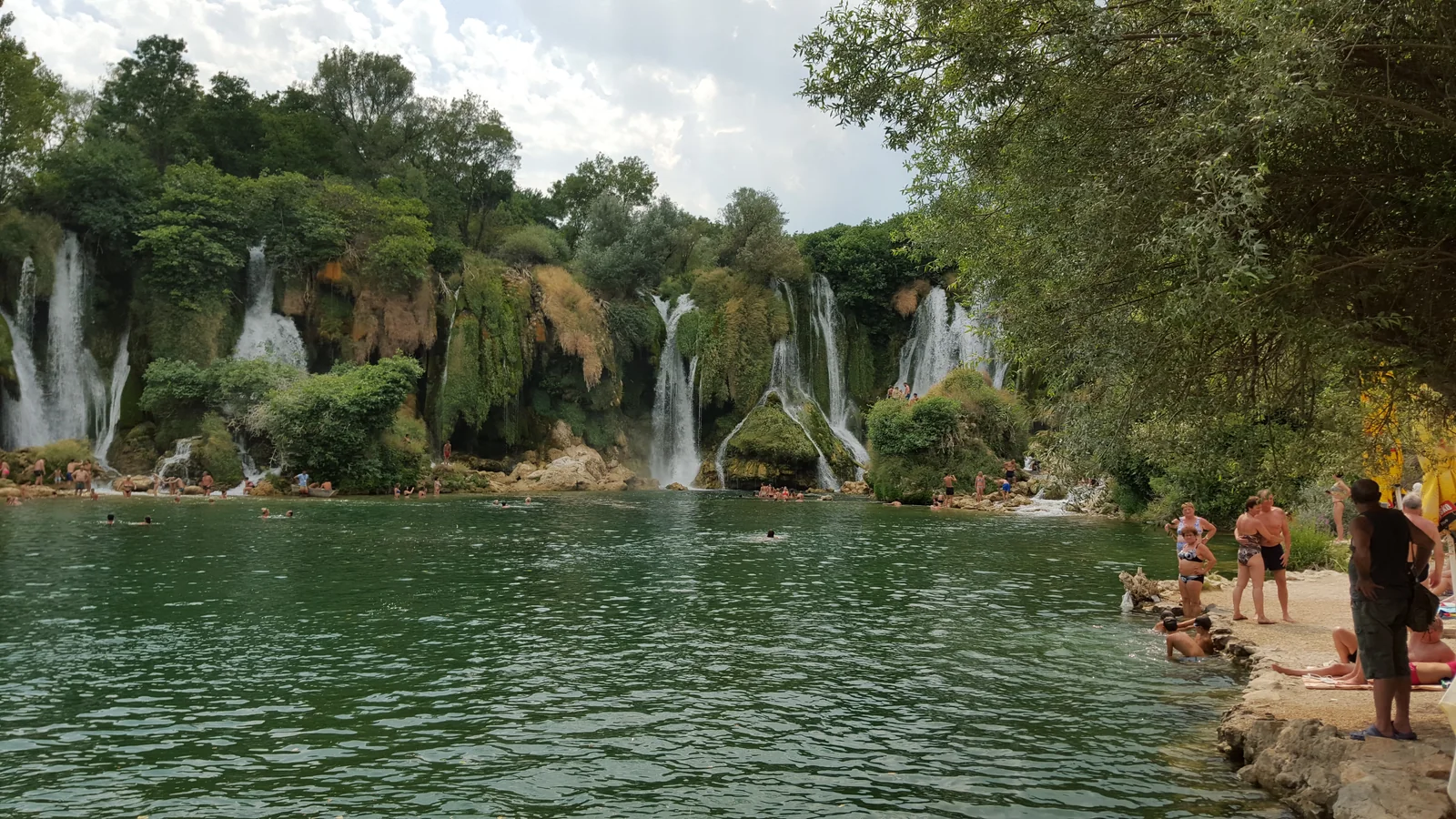
Kravica waterfall specifically: open year-round for viewing; swimming season is May through early October, with best water temperatures in July–August. See our dedicated Best Time to Visit Kravica Waterfall post for month-by-month waterfall conditions.
Festivals worth timing around: Sarajevo Film Festival (mid-August), Mostar Summer (July–August mix of concerts and exhibitions), Trebinje Wine Festival (late September). Check dates when planning.
Avoid if possible: mid-July through first week of August in Herzegovina — heat, crowds, and peak prices all compound. New Year's week is quiet outside Sarajevo (many small-town restaurants close). The week between Orthodox Christmas (7 January) and New Year's is the quietest week in the country, but also one when many services are reduced.
Our bookings pattern: 60% of Kravica tour bookings come in July–August, 20% in May–June, 15% in September–October, 5% in low season. When people ask which week to come, we usually say "the last week of September" — weather, crowds, and prices are all in your favour.