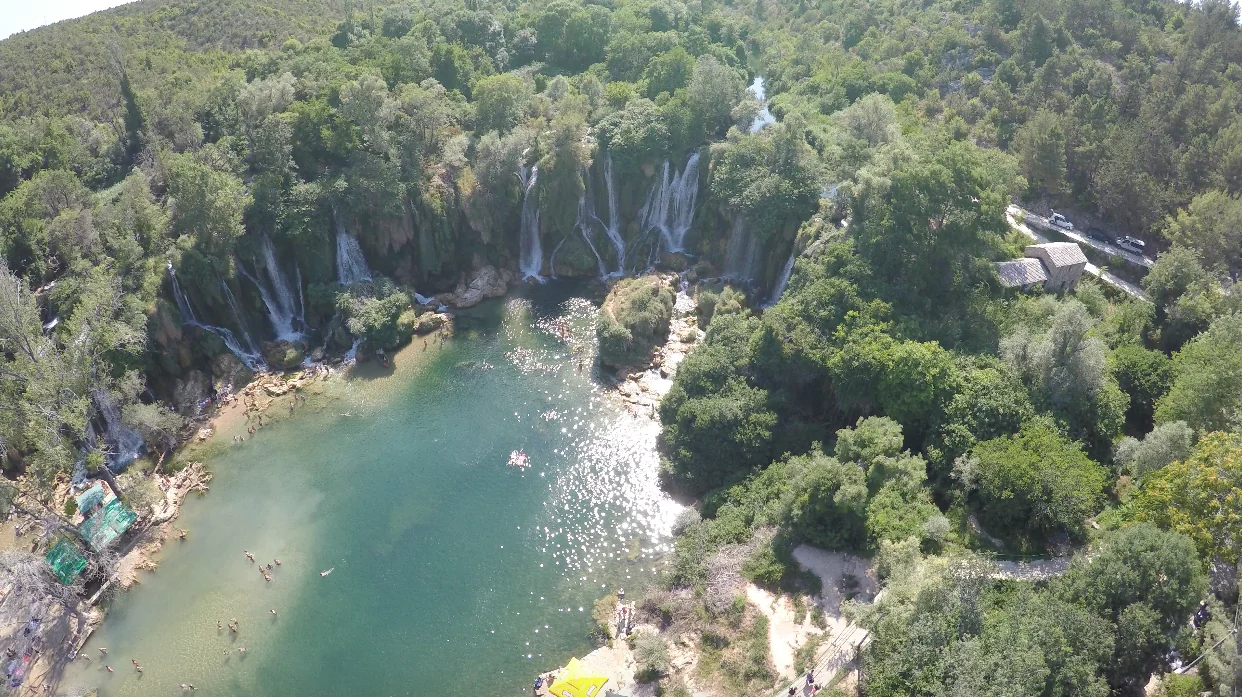
Kravica Waterfall is a horseshoe-shaped travertine cascade on the Trebižat river in western Herzegovina, 40 km south of Mostar. The falls are roughly 25 metres tall and 120 metres wide, feeding a natural swimming pool that opens for bathing from late May through early October. Entry to the Kravica Nature Park costs €10 (20 BAM) per adult, paid in cash at the gate — this fee is never bundled into tour prices. This guide covers what you are looking at, when to come, how much to budget, and the realistic ways to reach Kravica from Mostar, Dubrovnik, Split, and Sarajevo.
Where exactly is Kravica Waterfall?
Kravica sits in the Ljubuški municipality of Herzegovina, Bosnia and Herzegovina — 40 km south of Mostar, 135 km from Dubrovnik, 250 km from Split, and 140 km from Sarajevo. The closest town is Ljubuški (10 km north), but the falls are rural: the park sits at the end of a signposted side road off the M6 highway, surrounded by oak forest and limestone cliffs.
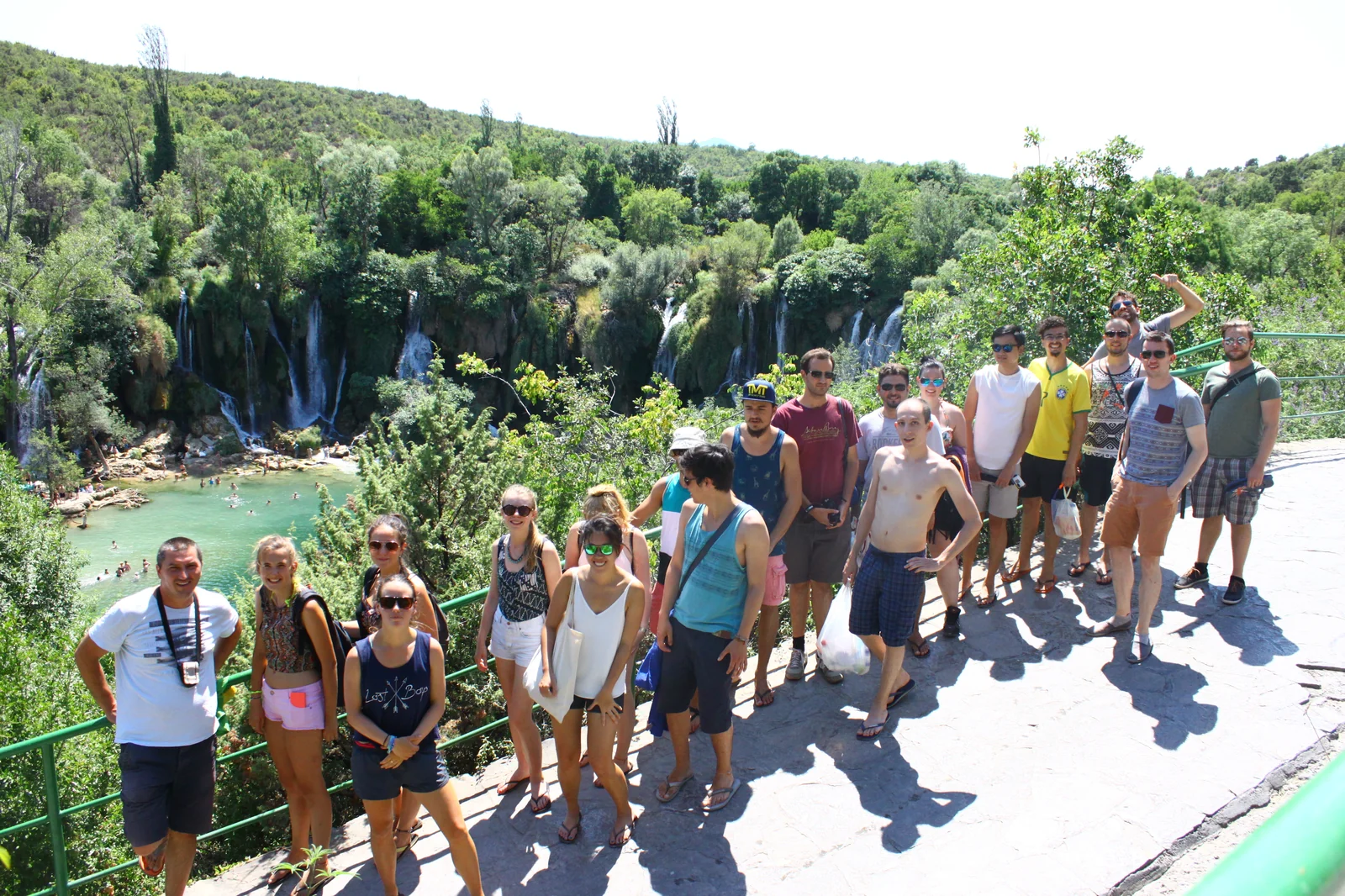
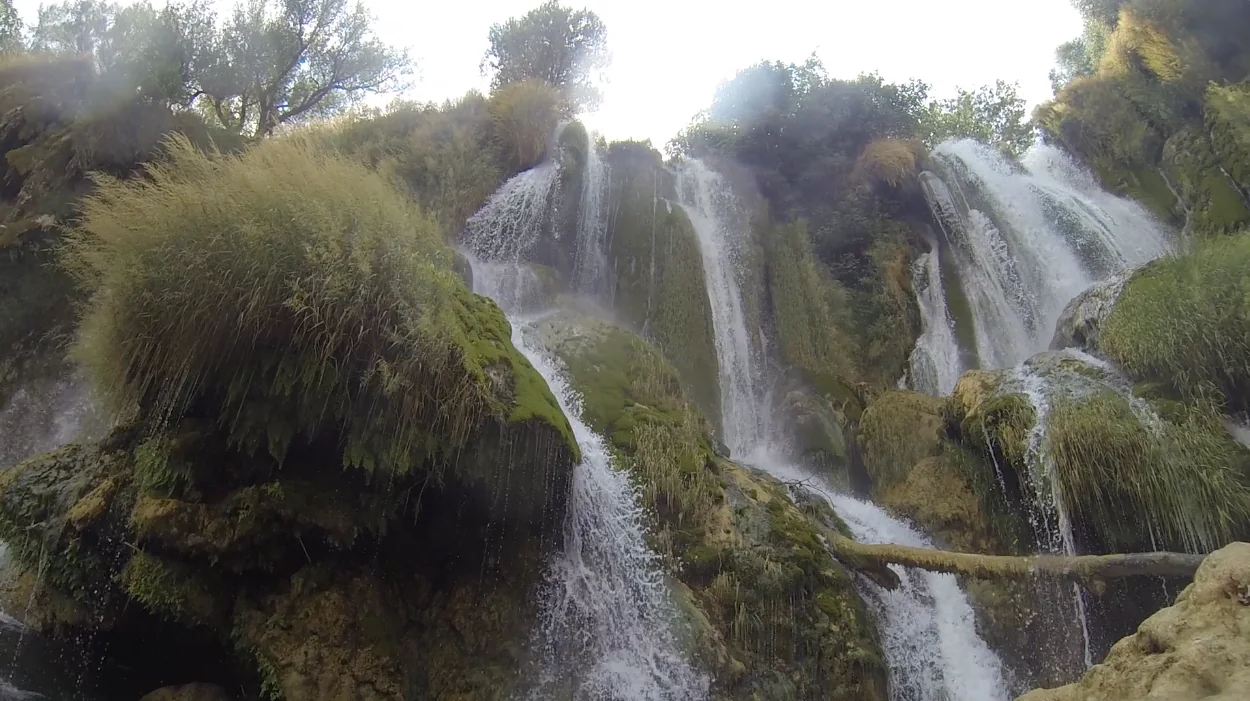
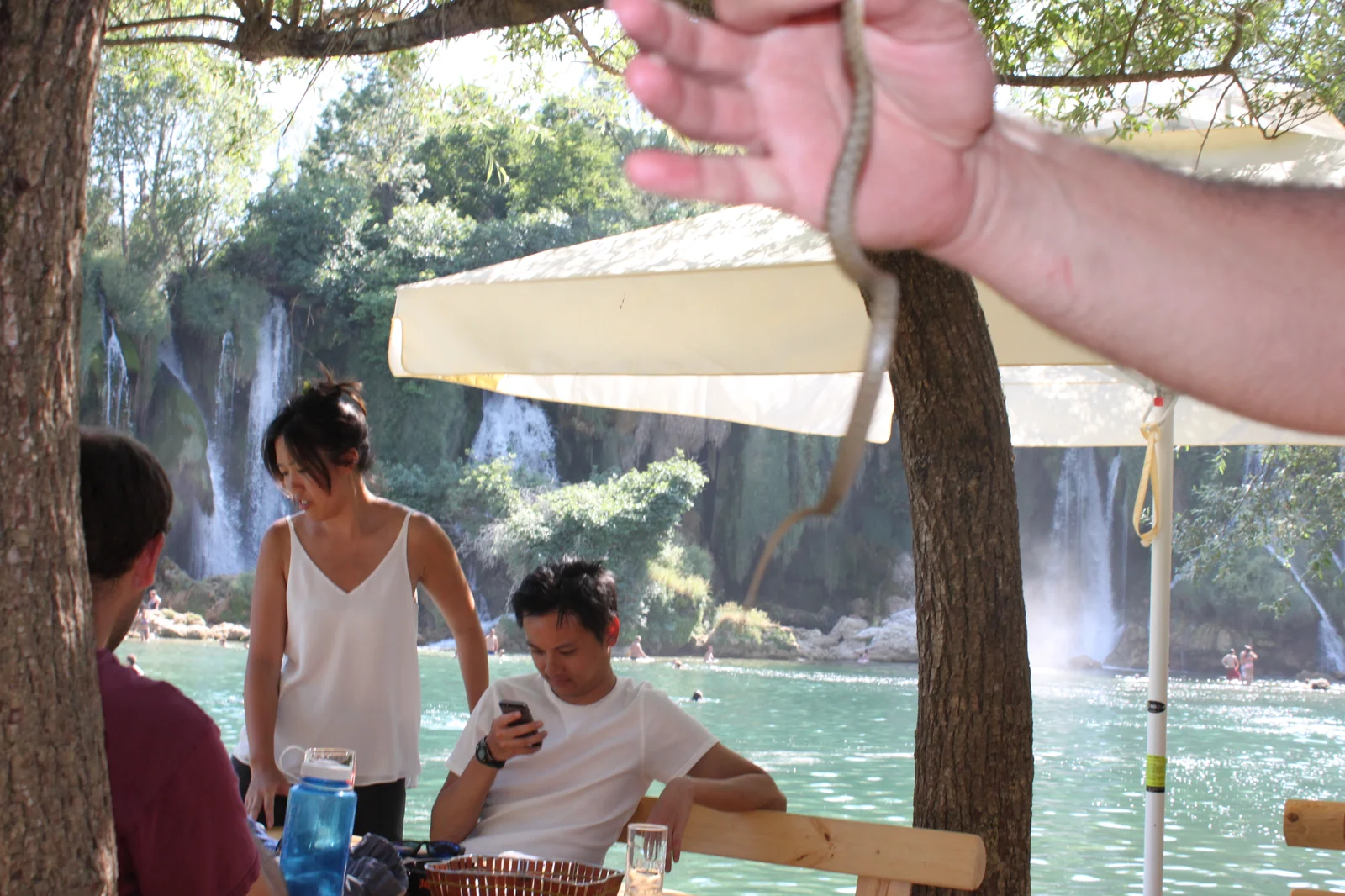
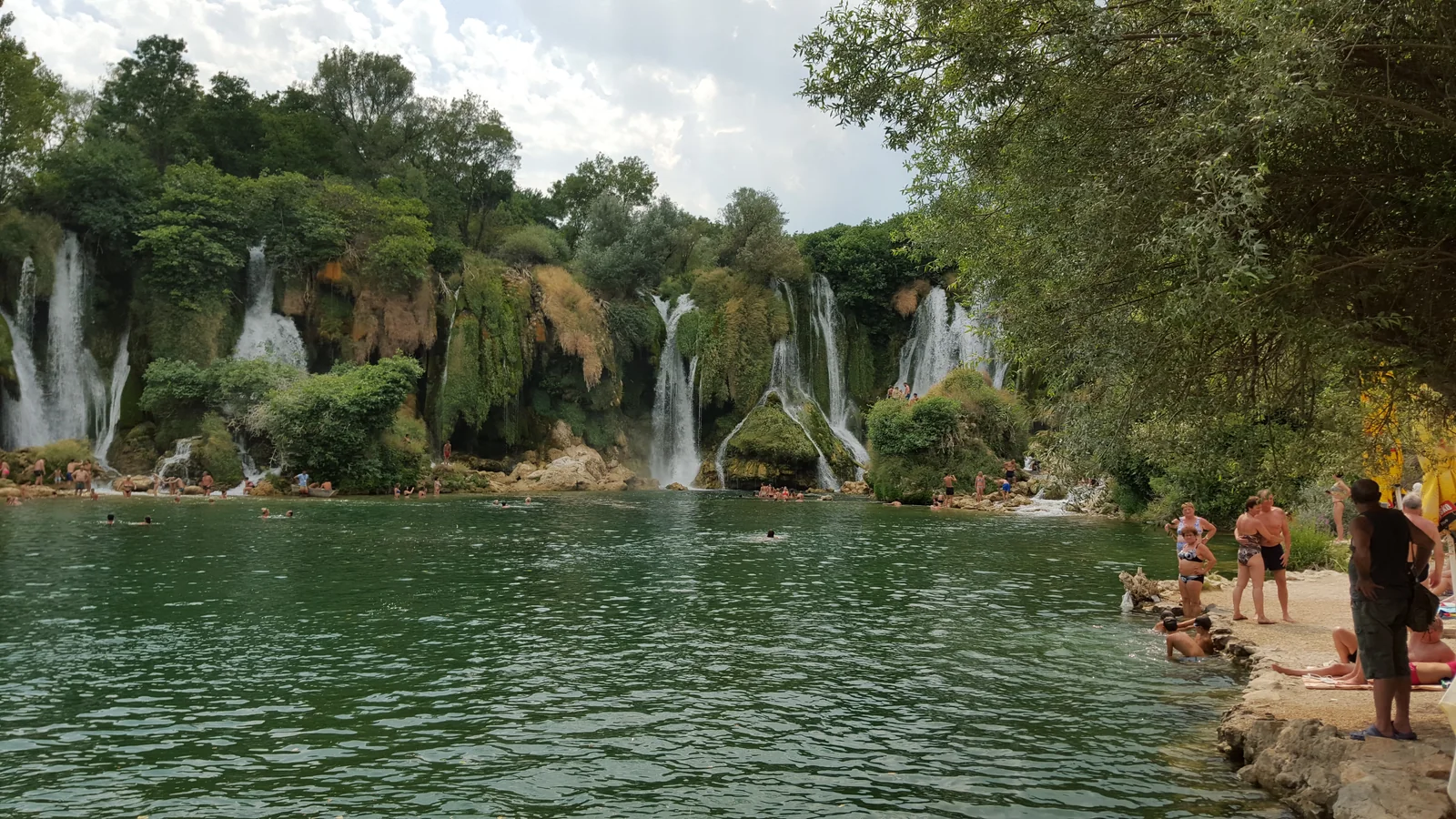
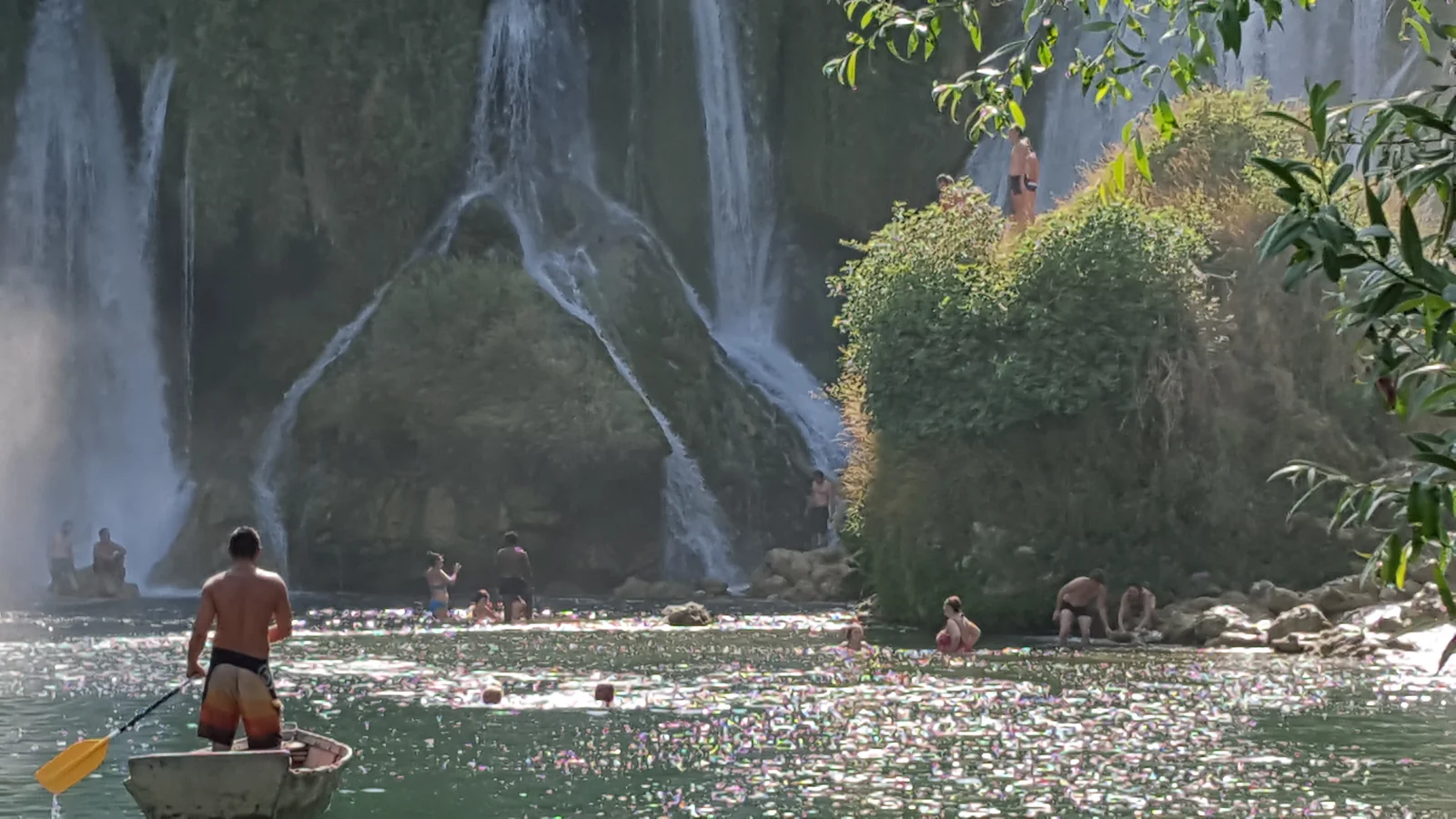
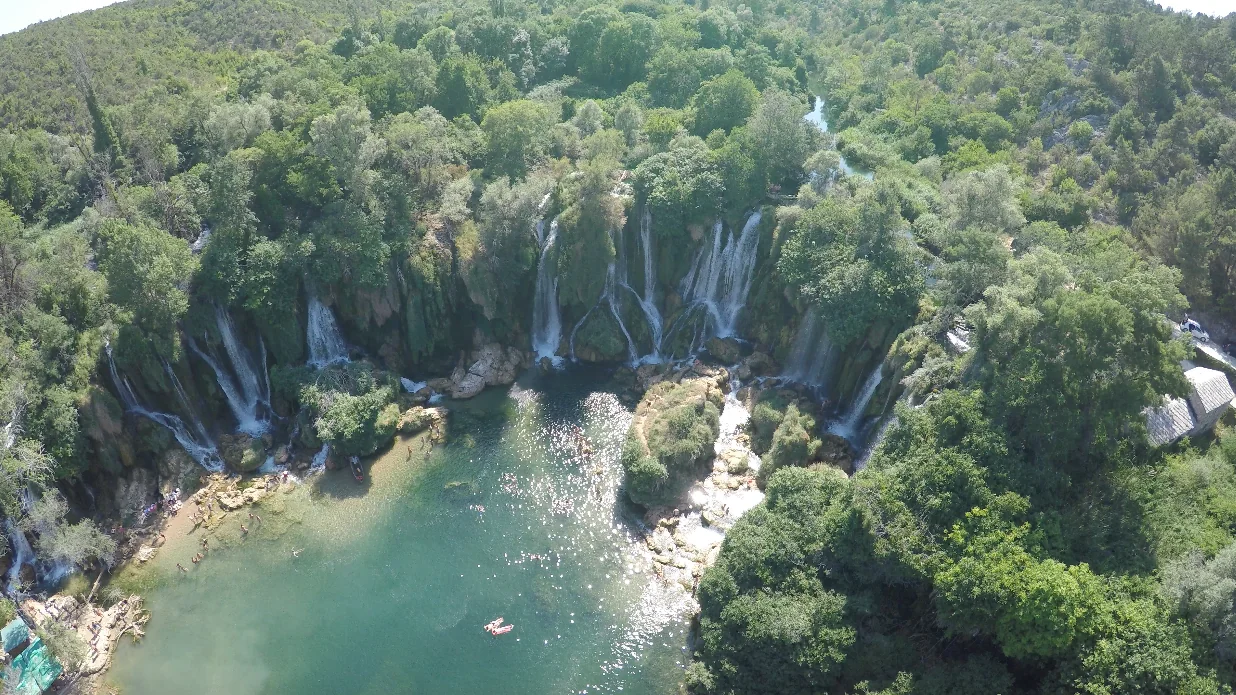
What you are looking at. Unlike Plitvice's terraced lakes or Niagara's sheer drop, Kravica is a travertine cascade — a curved rim where mineral-rich water has slowly built up calcium-carbonate ridges over thousands of years. The river here is the Trebižat, a karst river that disappears underground and re-emerges nine times on its way through Herzegovina. At Kravica Waterfall the river drops over a 25-metre rim into a semicircular pool roughly 120 metres wide, with a wooded path that lets you walk completely around the rim and down to water level. The horseshoe shape means you are always looking at the falls, whichever of the four main viewpoints you choose.
Entrance fee, opening hours, and practical basics.
The park charges 20 BAM (~€10) per adult, paid at the gate. Card and cash are both accepted. Children under 7 enter free; ages 7–18 pay a reduced ticket of around 10 BAM (~€5). The entrance fee is a Ljubuški municipality charge — it is never included in tour prices, including our own tours. Budget for it separately. The fee is the same all year round.
Opening hours vary by season — extended hours through summer, shorter in the off-season (typically closes by sunset). Check on arrival or ask your driver on the day.
A café near the main viewpoint serves grilled river trout (pastrmka), burek, cold drinks, and local Herzegovinian wine. Public restrooms and a small changing area sit by the pool. Two unmarked paths lead down from the parking lot — the easier one takes about 8 minutes; the steeper one is faster but uneven. A modest parking fee applies. There is no ATM at the park, so bring some cash in BAM or EUR for parking, café, and any extras.
The Kravica Waterfall pool and swimming.
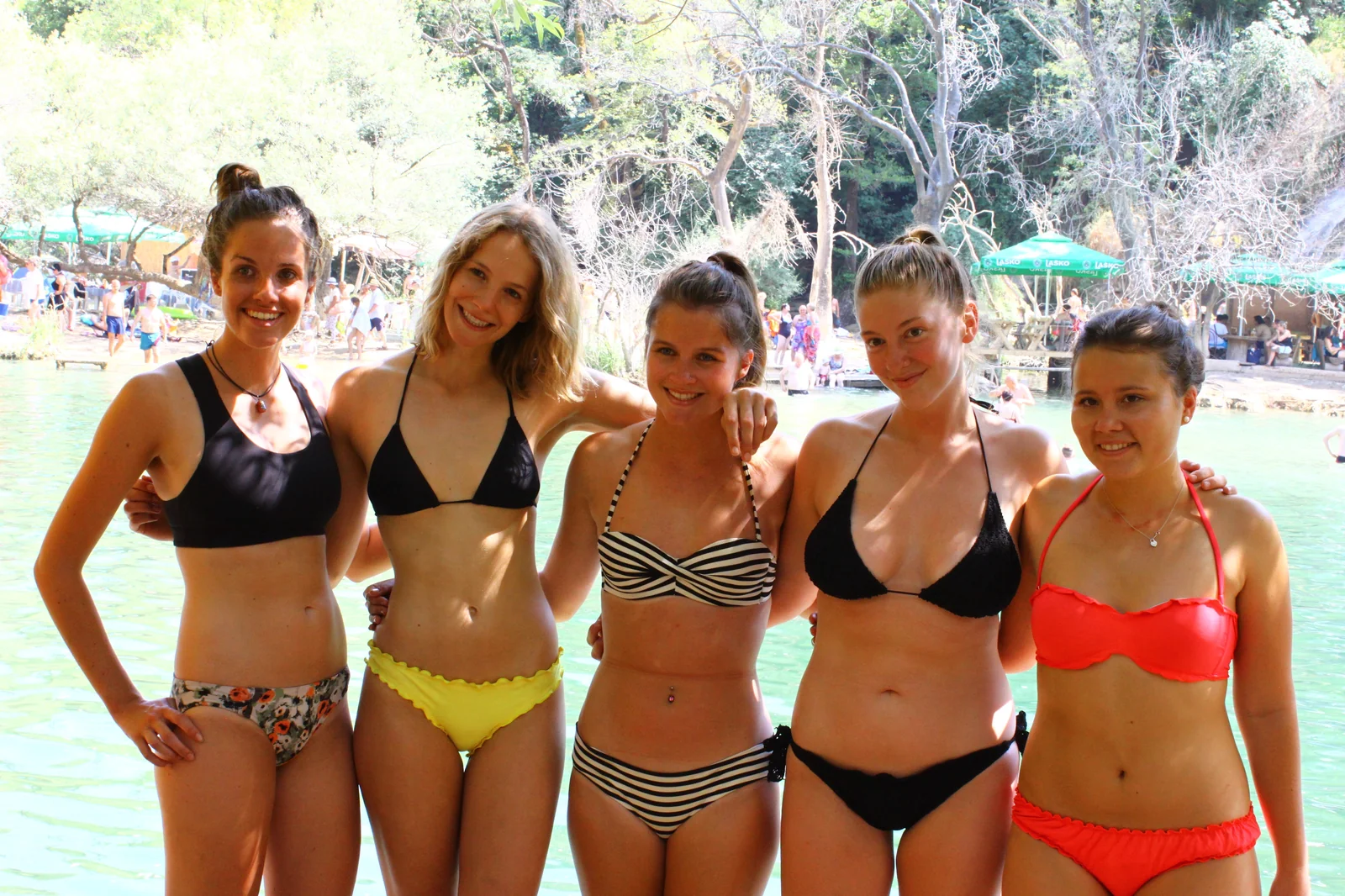
The pool under the falls is open for swimming May through October. Water temperature runs 14–16°C in May, climbs to 18–20°C in July and August, and drops back through September. Cold enough to take your breath on first entry, warm enough to stay in for 15–30 minutes once you are used to it. The bottom is pebbled and slopes gently — shallow at the edges, up to 4 metres deep in the central pool under the cascade.
Swimming is legal and popular. Some sources mention life-jacket rental near the entrance for a small fee — confirm at the gate on the day, and bring your own if you have specific safety needs. Reports on lifeguards vary by season; assume supervision is your own responsibility. Young children should stick to the shallow edges; strong swimmers can paddle up to the wall of the falls — watch the spray and the slightly stronger current near the drop. For a full briefing see our Kravica swimming safety guide.
What to bring: swimsuit, towel, water shoes (the pebbles are slippery), dry clothes for the ride back. In peak summer add a hat, sunscreen (reef-safe if possible), and drinking water. See our Kravica packing guide for the full list.
When to come — month by month.
Kravica flows year-round but looks and feels different by season. May to early June is shoulder: full flow from spring melt, powerful spray, water still cold (14–16°C) but usable for short dips. Crowds light. Best for photography — most water volume, softest light, fewest people in frame.
Late June to August is peak: warmest water (18–20°C), full swimming, longest days. Also the most crowded — Sunday afternoons in July and August can see 800+ visitors. Arrive before 11:00 or after 16:00 to dodge the peak hours.
September to early October is the other shoulder — arguably the best overall window. Swimming still comfortable, crowds a fraction of July's, golden autumn light on the travertine. Pomegranate season along the drive from Ljubuški; roadside stands sell fresh fruit.
Late October to April is low season. Off-season Kravica is dramatic and nearly empty. Heavy autumn rain pushes the flow to its biggest volume of the year; fog and mist are common; sometimes ice on the paths. Swimming not advised; several facilities may close. The entrance fee is the same year-round (20 BAM / ~€10). For a full month-by-month breakdown see our best time to visit Kravica guide.
How to reach Kravica from each main city.
From Mostar (40 km, 40 min one way). The closest base. Options: shared half-day tour (€35, 7 hrs), rental car (€40–70/day), taxi (€60–80 one way plus waiting), or bus to Ljubuški + taxi. Full breakdown in our how to get to Kravica from Mostar post. Our Mostar half-day tour is the simplest option.
From Dubrovnik (135 km, 2.5 hrs one way). Border crossing required; bring your passport. Group tours from Pile Gate depart 07:00 and return around 18:15. Our Dubrovnik tour is €79/person and handles all border paperwork. For independent travel see Dubrovnik to Mostar transport options or Kravica day trip from Dubrovnik for a real-timing experience view.
From Split (250 km, 4 hrs one way). Longer day, popular with cruise passengers and Dalmatia-loop travellers. Group tour €95/person. See Split to Mostar transport options for bus and rental alternatives. Our Split tour covers the full day.
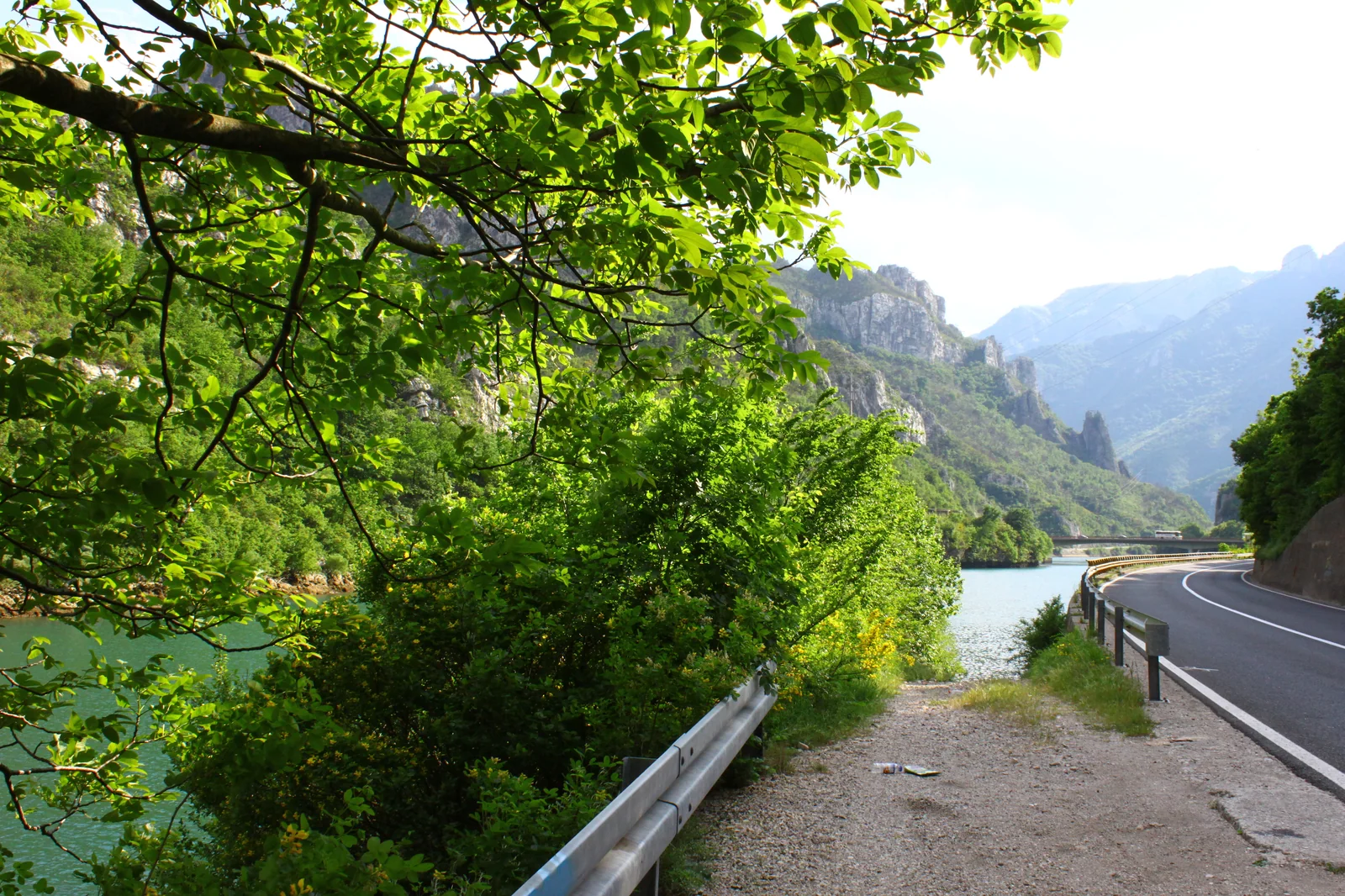
From Sarajevo (140 km, 3 hrs one way via the Neretva canyon). Scenic drive through Konjic and along the Neretva. 12-hour day total. Group tour €89/person via Sarajevo tour. See is Kravica worth it from Sarajevo for the honest trade-off before you book.
From Međugorje. Only 25 km. Private transfer on request; easily combined with Međugorje pilgrimage in a single day.
What else to pair with Kravica.
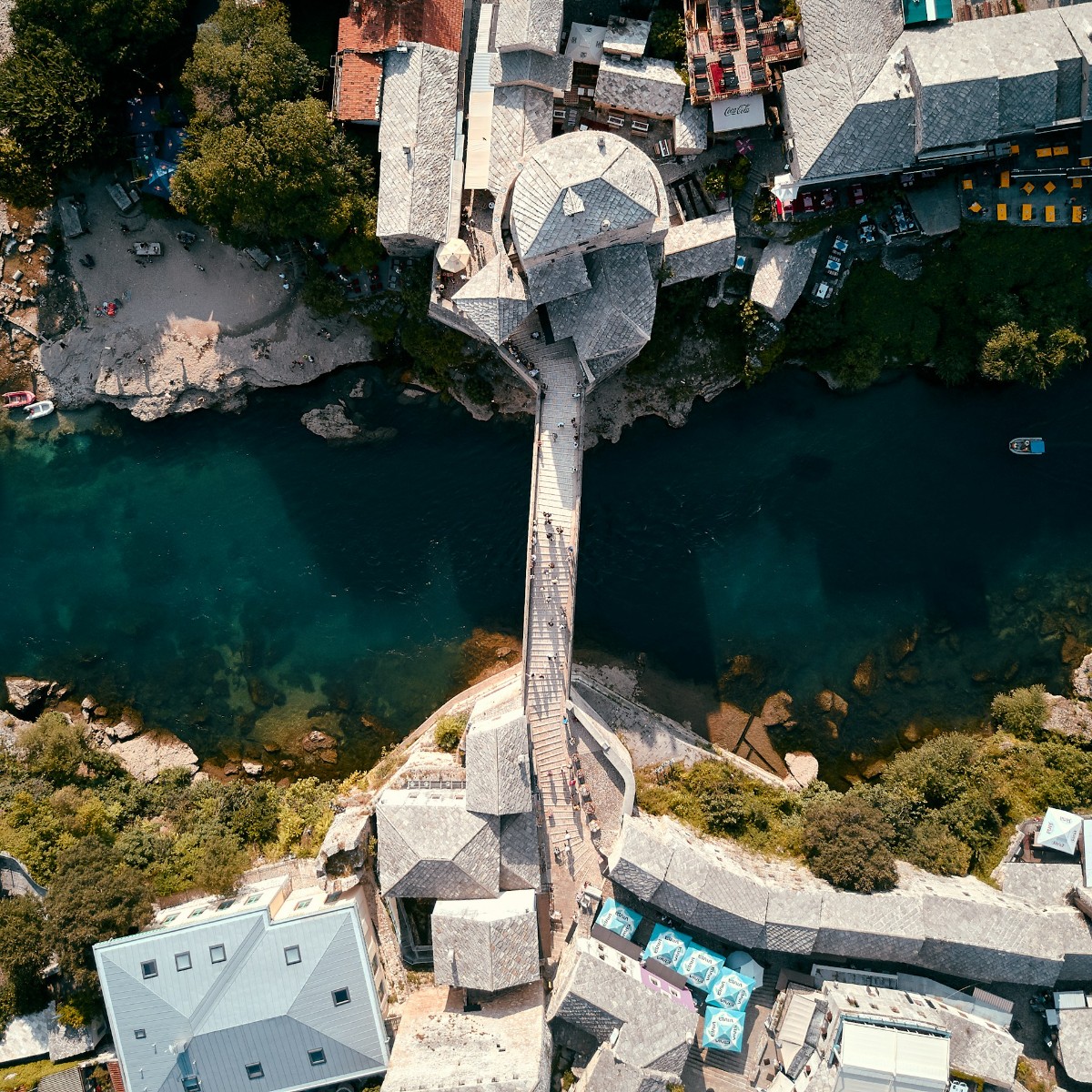
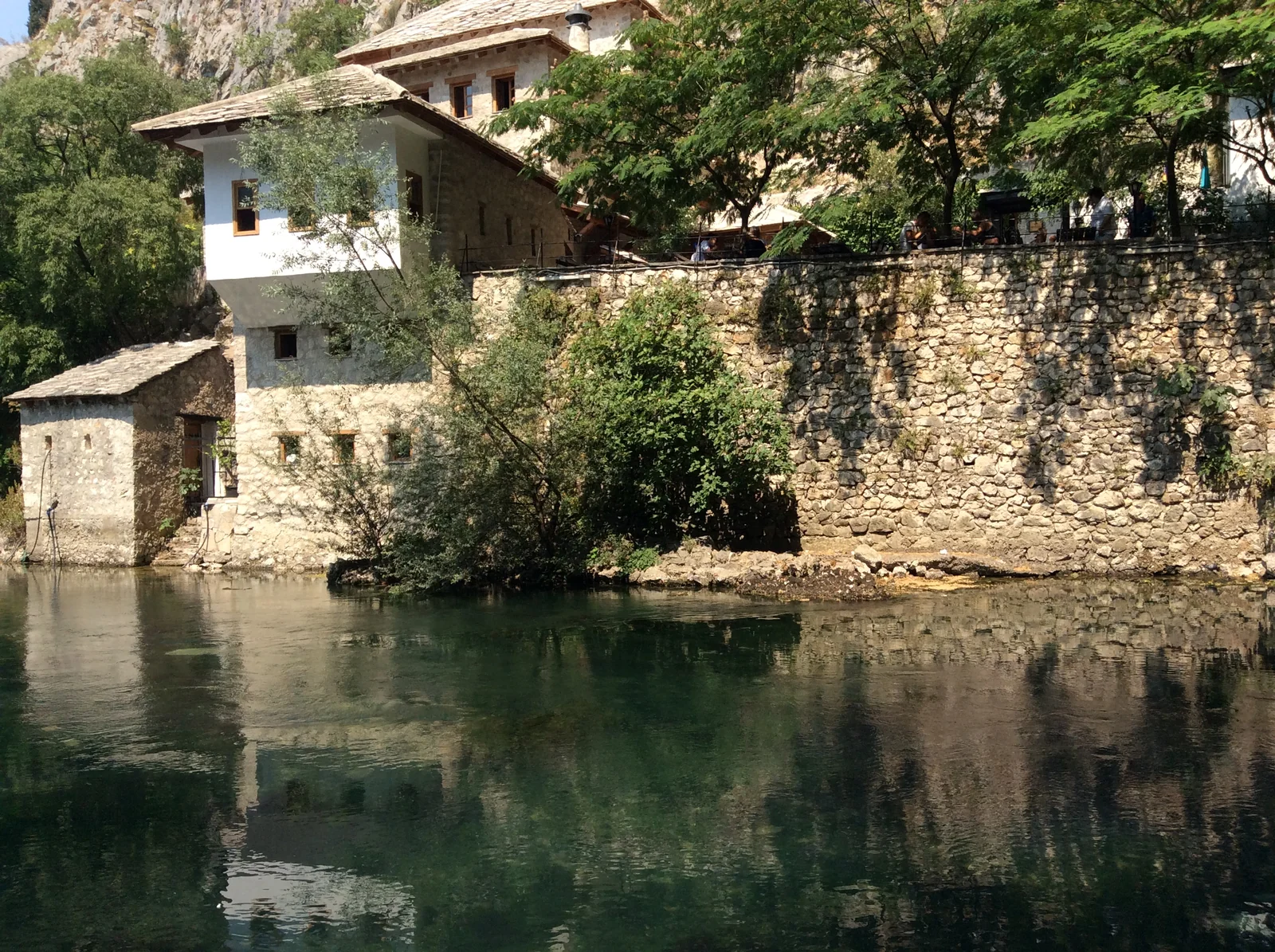
Most visitors pair Kravica with at least one other stop. Natural combinations: Počitelj, a walled Ottoman hill village 12 km north on the route back toward Mostar, included on most of our full-day tours. Blagaj Tekija, a 16th-century Sufi dervish monastery at the Buna karst spring, 12 km southeast of Mostar. Koćuša Waterfall, Kravica's quieter twin 20 km northeast on the same Trebižat river — free entry, small crowds, good for photographers who have already seen the main falls. Stari Most, the UNESCO Ottoman bridge in central Mostar, included on every Mostar-based full-day itinerary.
Frequently asked questions.
Is Kravica Waterfall worth visiting? Yes, especially if you are already in Mostar (40 min drive) or the Adriatic coast (2.5–4 hrs). For the honest trade-off on a tight Sarajevo day trip see is Kravica worth it from Sarajevo.
Can you swim at Kravica? Yes, May through October. The pool is shallow at the edges and deeper in the centre. Life-jacket rental may be available at the entrance — confirm on the day if needed.
How much does a Kravica visit cost? Entry fee is 20 BAM (~€10) per adult, same year-round. Card or cash accepted. Tour prices start at €35/person from Mostar. Budget €50–100 total per person for a day including tour, entry, and food.
How long do you spend at Kravica? Most tours allocate 2–4 hours. Enough for a swim, a walk around the rim, and lunch at the café. Photographers may want longer — aim for early morning or late afternoon light.
Is Kravica open in winter? Yes, with reduced facilities and no swimming. Off-season visits are dramatic (biggest water volume) but cold. The entrance fee is the same year-round.
How does Kravica compare to Plitvice? Smaller, less famous, much less crowded, and you can swim — the three big differences. See Kravica vs Plitvice for the full breakdown. Kravica also ranks high among waterfalls in Bosnia, along with Koćuša, Skakavac, and the Pliva cascades at Jajce.
Is there a bus from Mostar directly to Kravica? No direct bus. The usual public-transport route is Mostar → Ljubuški by bus, then taxi or 10-km walk to the park — only recommended if you have a full day and do not mind the hassle. Most visitors take a tour or rent a car.
Book a Kravica tour directly.
We operate daily tours to Kravica Waterfall from every major departure city — Mostar half-day (€35), Mostar full-day (€50, includes Fortica, Blagaj, Počitelj), Mostar Private Driver (€200/vehicle), Dubrovnik (€79), Split (€95), and Sarajevo (€89). No agency markup, fast email reply, free cancellation up to 24 hours before. See all Kravica tours.
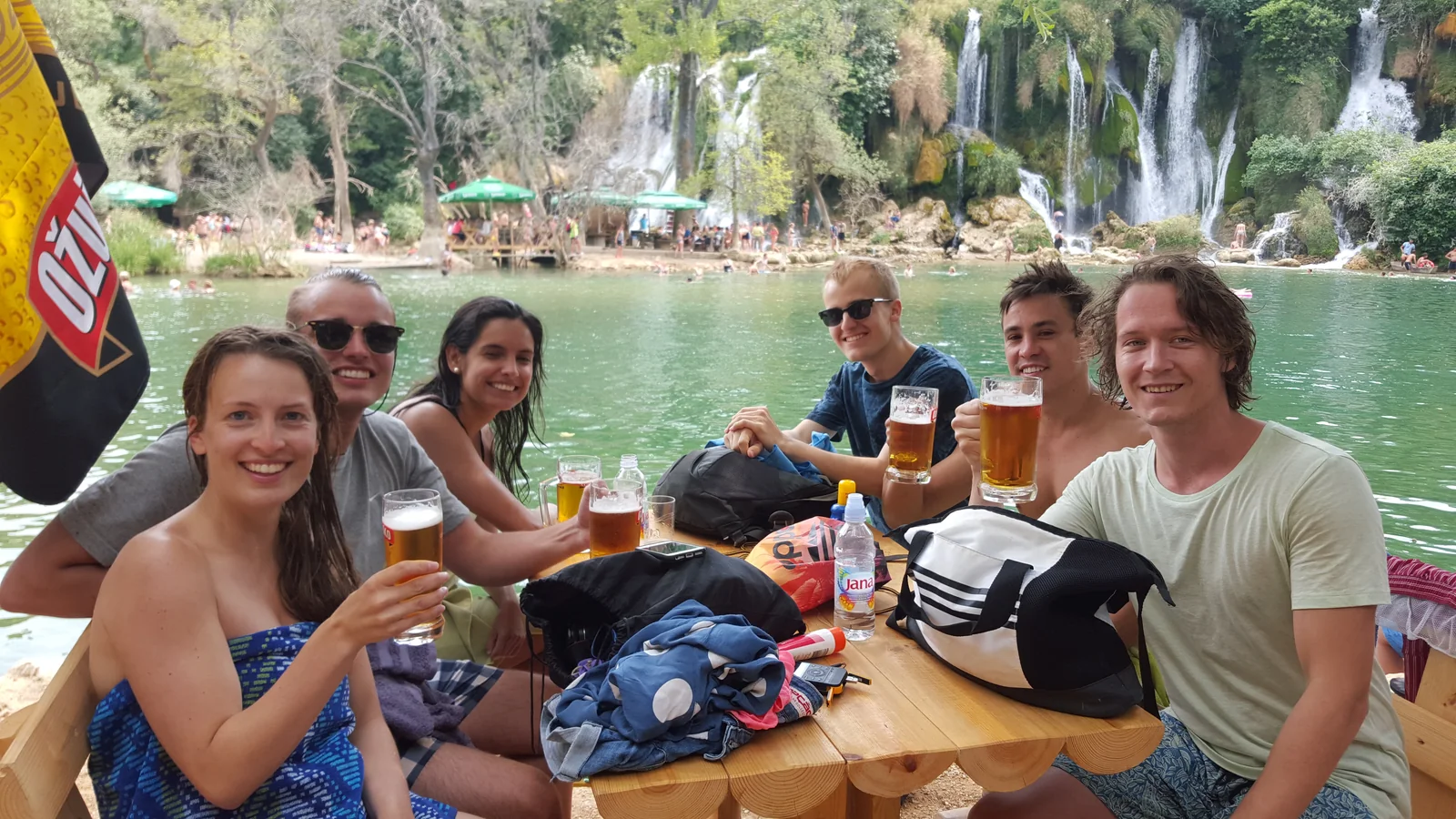
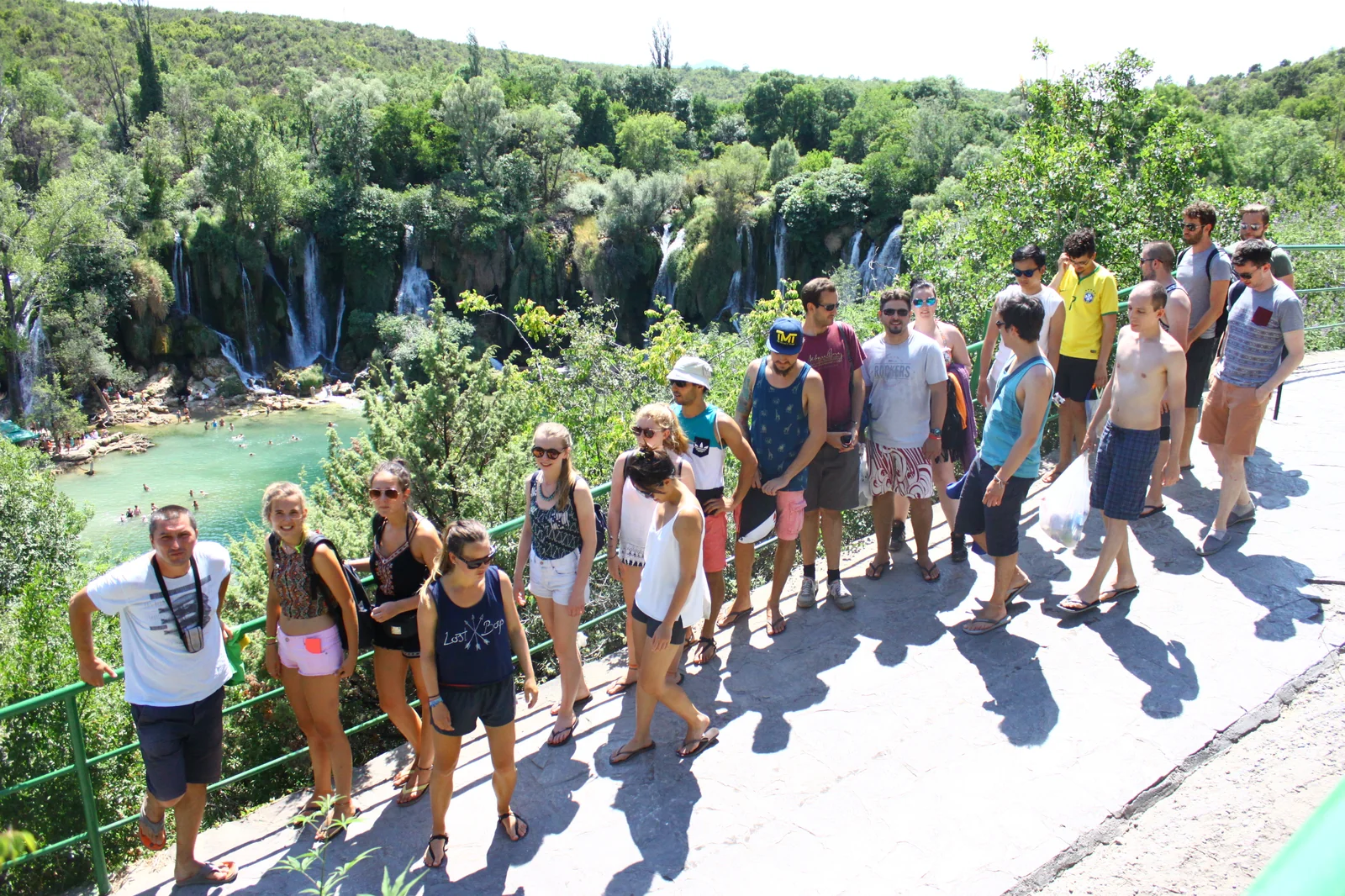
Photos from this route
Ready to see Kravica?
Our From Mostar: Kravica Waterfall & Počitelj Half-Day Tour runs daily — from €35/person, 7-hour day, no booking fees.
✓ Direct operator, no agency markup · ✓ Reply within 1 hour by email · ✓ Free cancellation 24 h before